
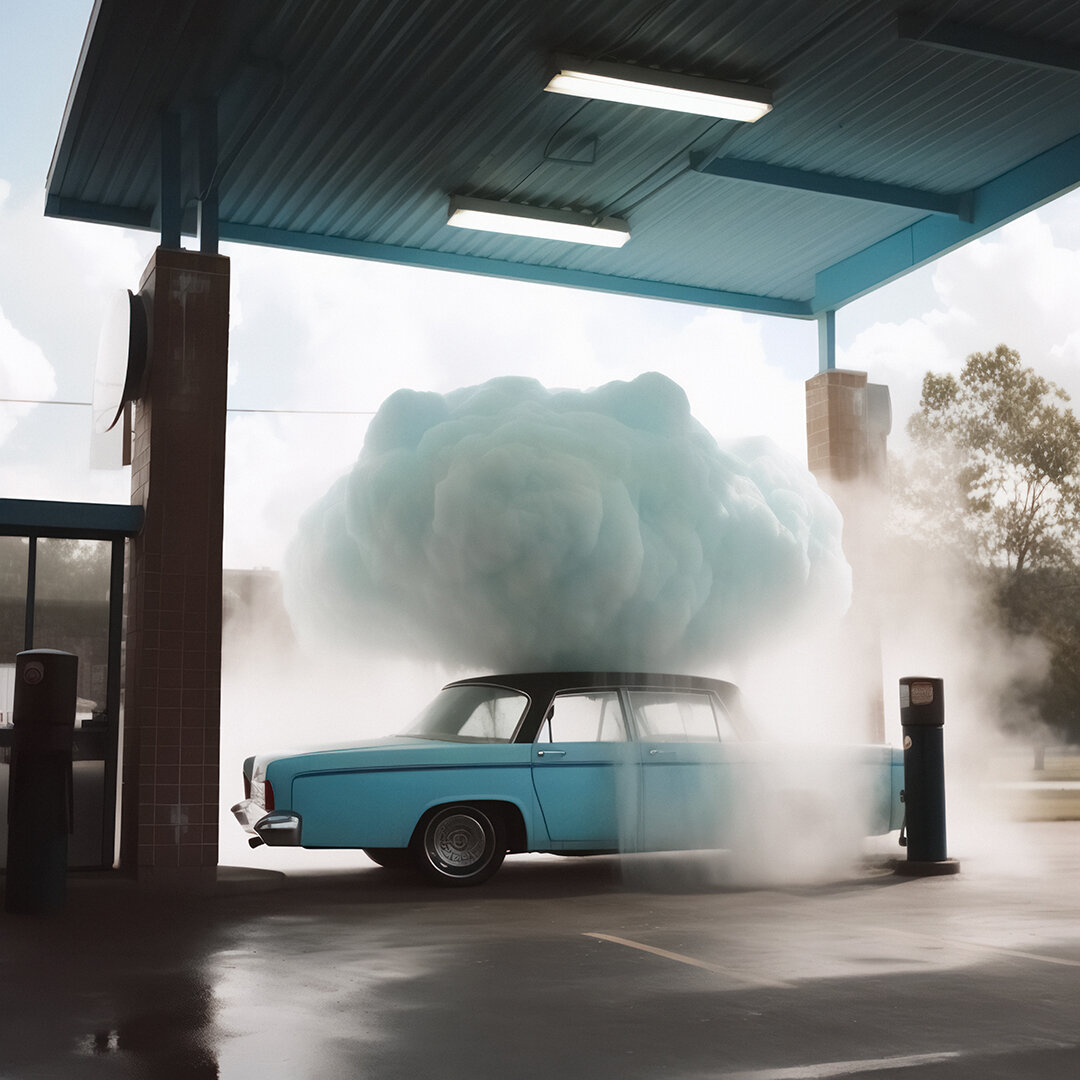
In July 2023, we are showing TinBrain — an image series generated with Artificial Intelligence. Nine works by Prague-based photographer and artist Matus Toth.
The debate about machine intelligence affects large parts of society. For labour and for science, there is talk of a quantum leap. The Chat GPT text generator is compared to the invention of printing. And the development is still very dynamic! AI also affects art and the idea of creativity quite fundamentally. Questions of basic principle arise when, for example, the incomplete 10th and last symphony of Beethoven is finished by a software. For image creation, Midjourney, DALL-E and the AI applications by Adobe and others are what Chat GPT is for text creation.
Based on the nine works in the exhibition, we ask Matus Toth about his approach to AI. Which programs does he use and what were the prompts for each artwork? How does the new tool AI affect his style as a fashion photographer? Is there a renaissance of surrealism?
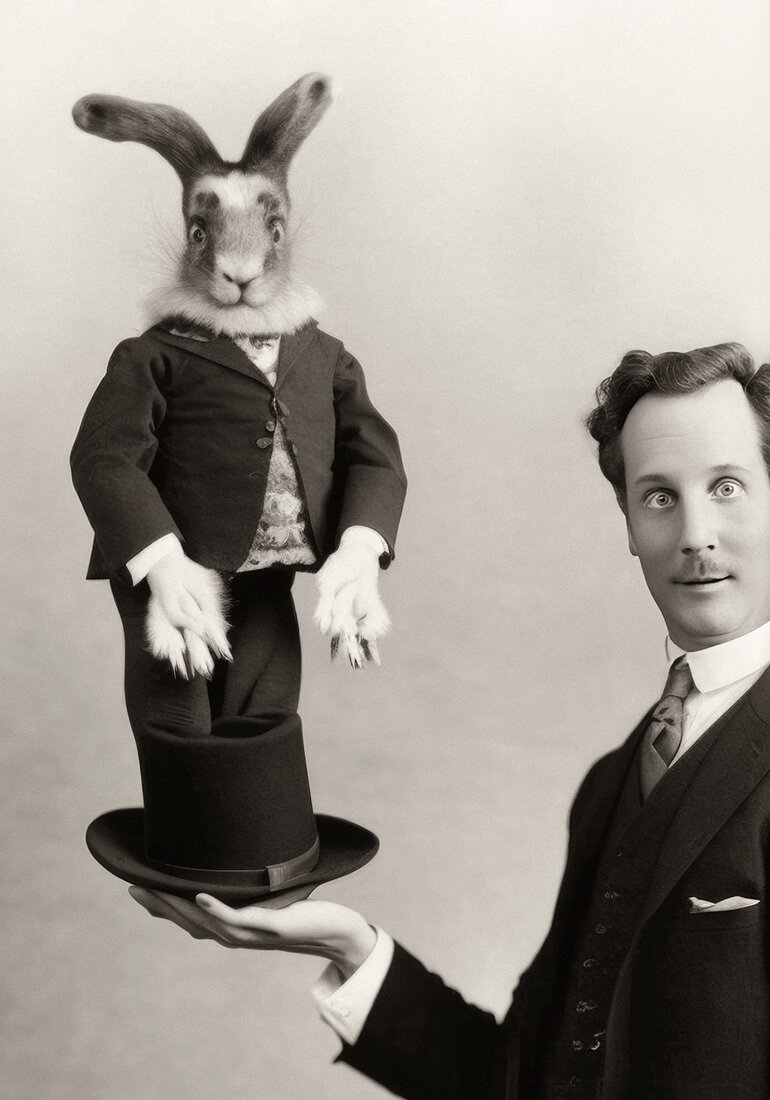
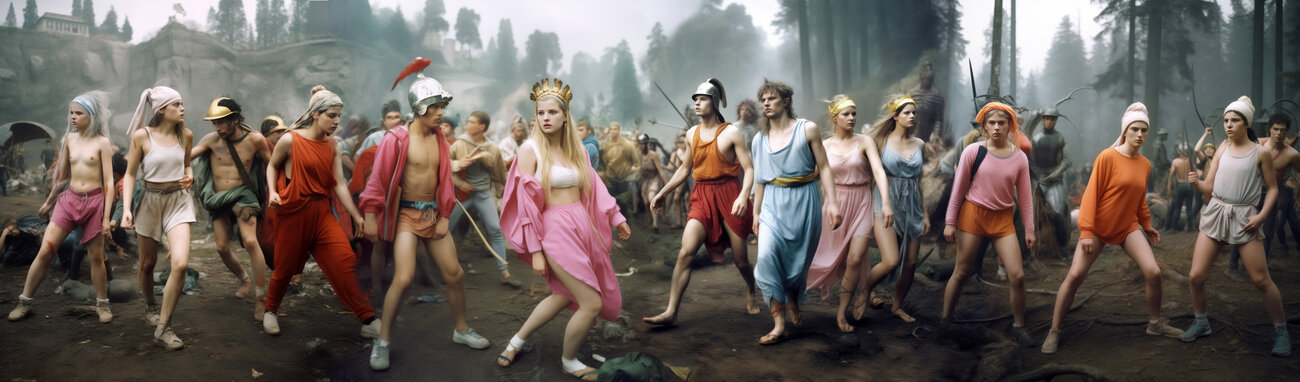
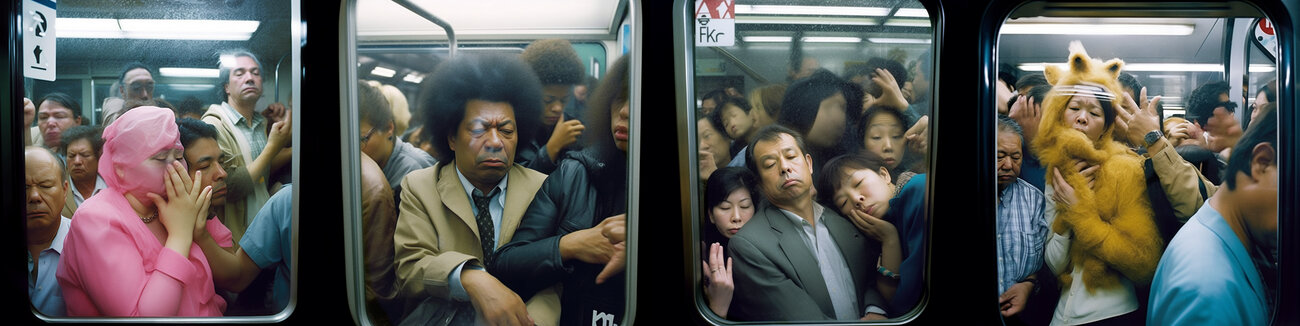
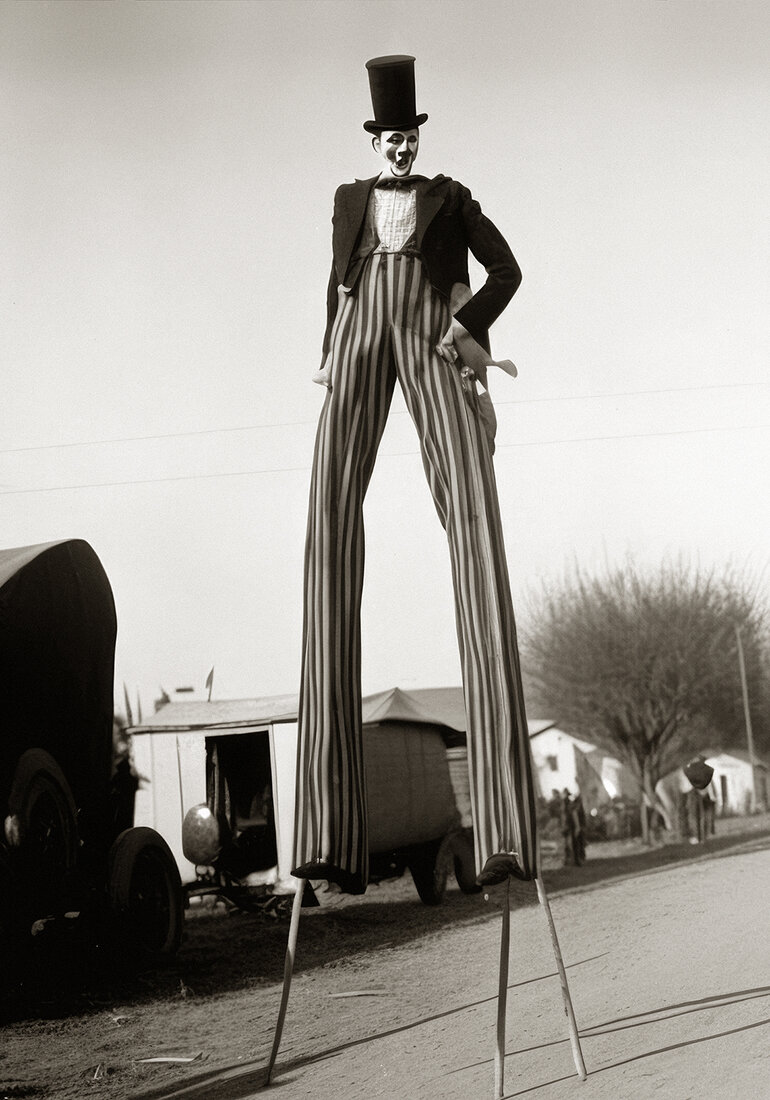
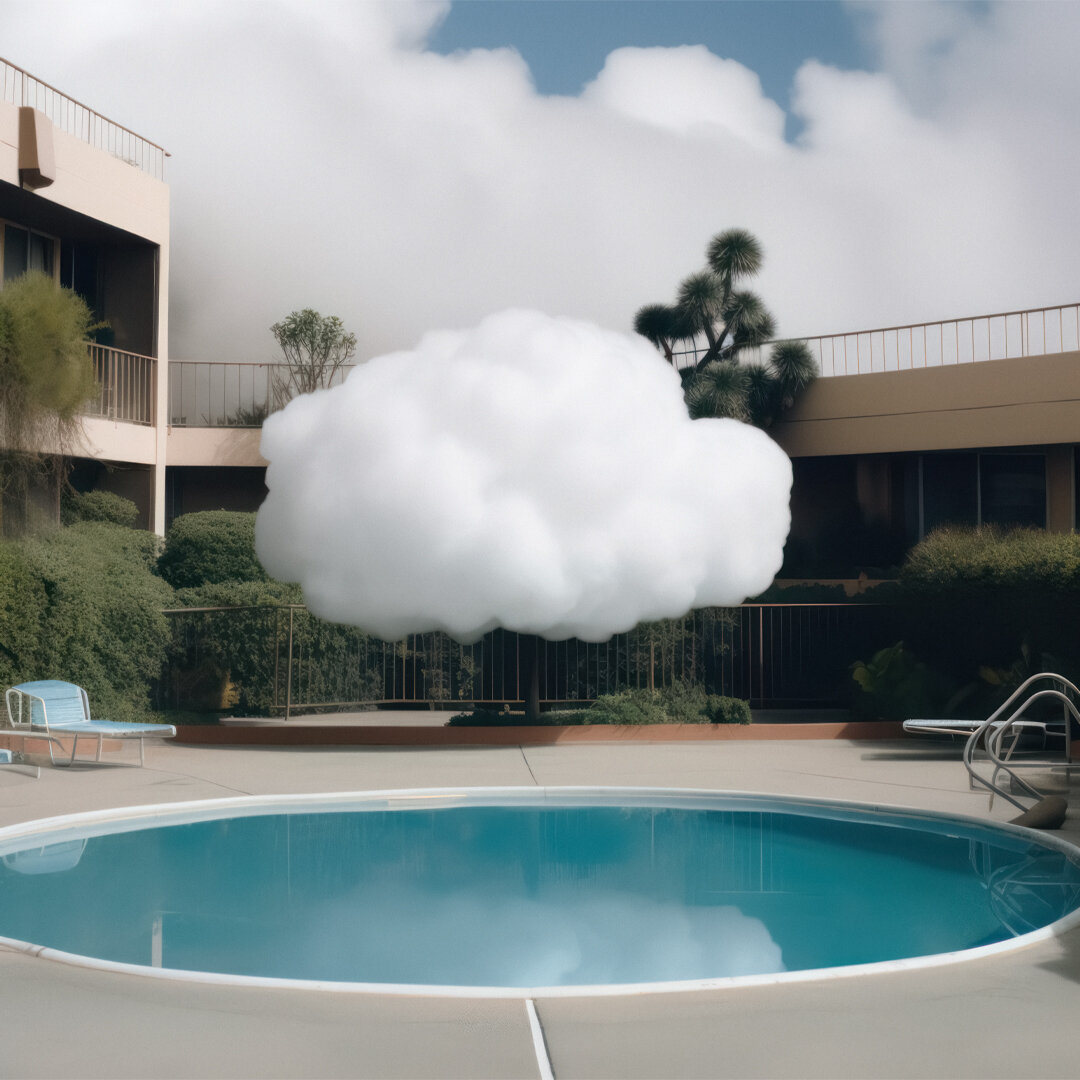
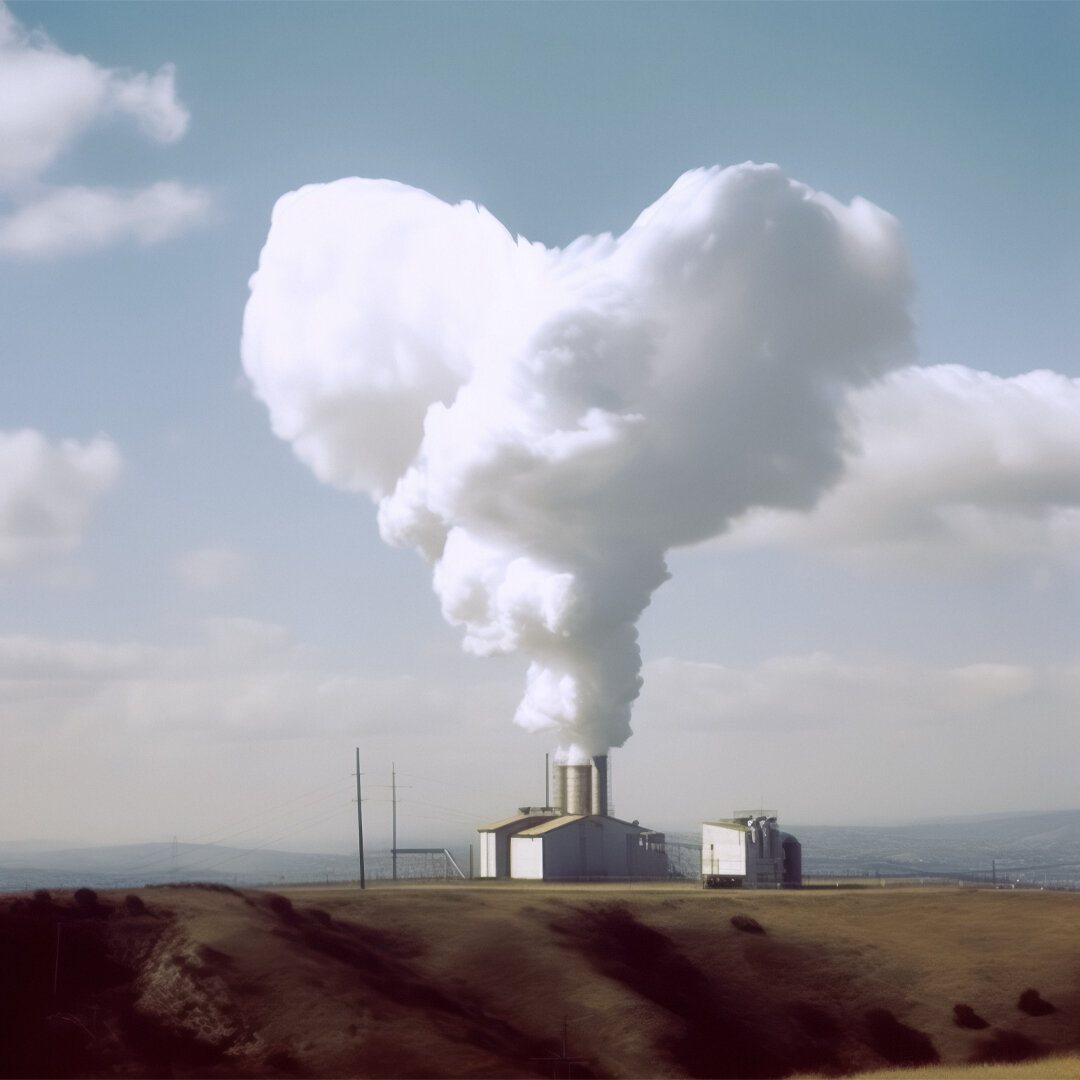
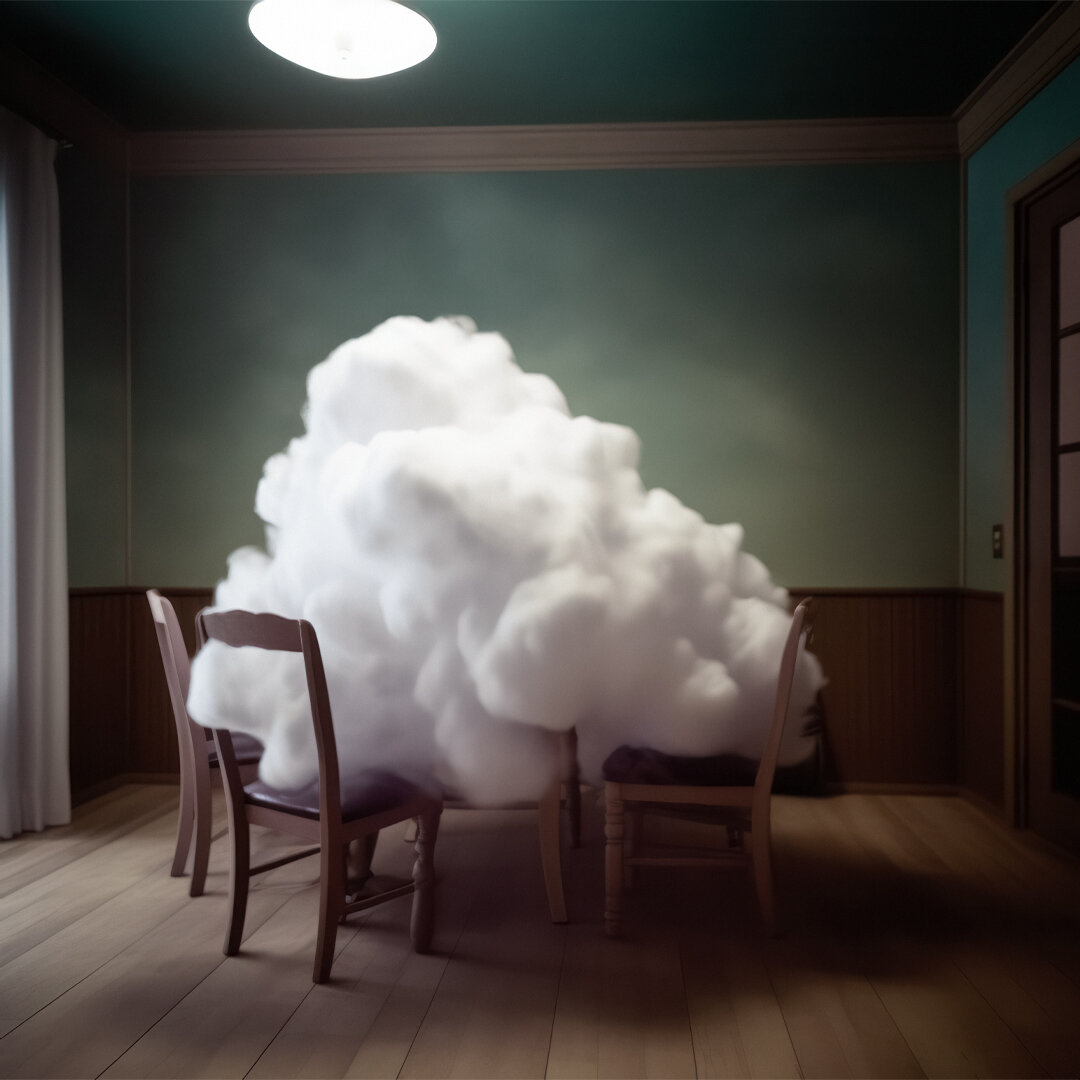
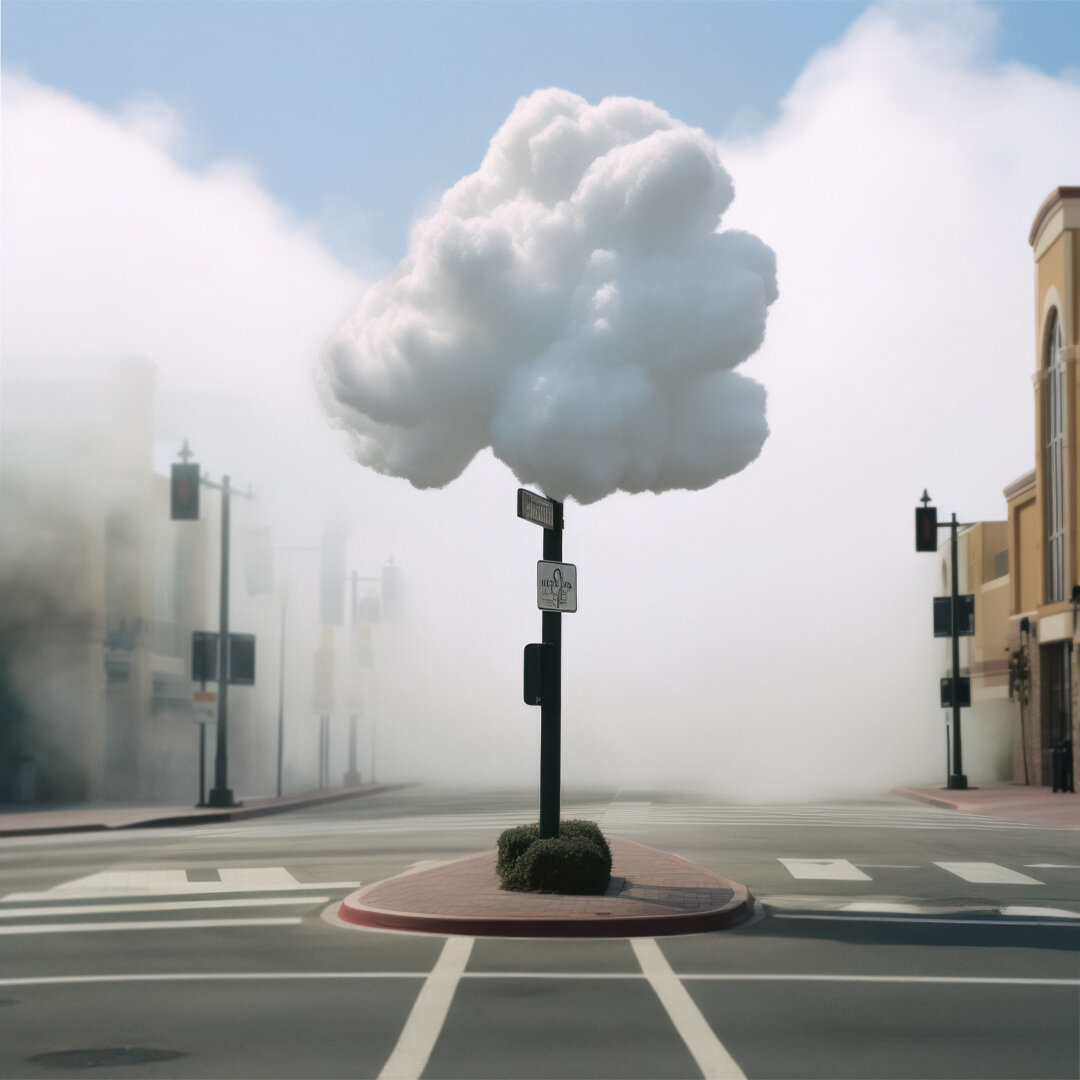
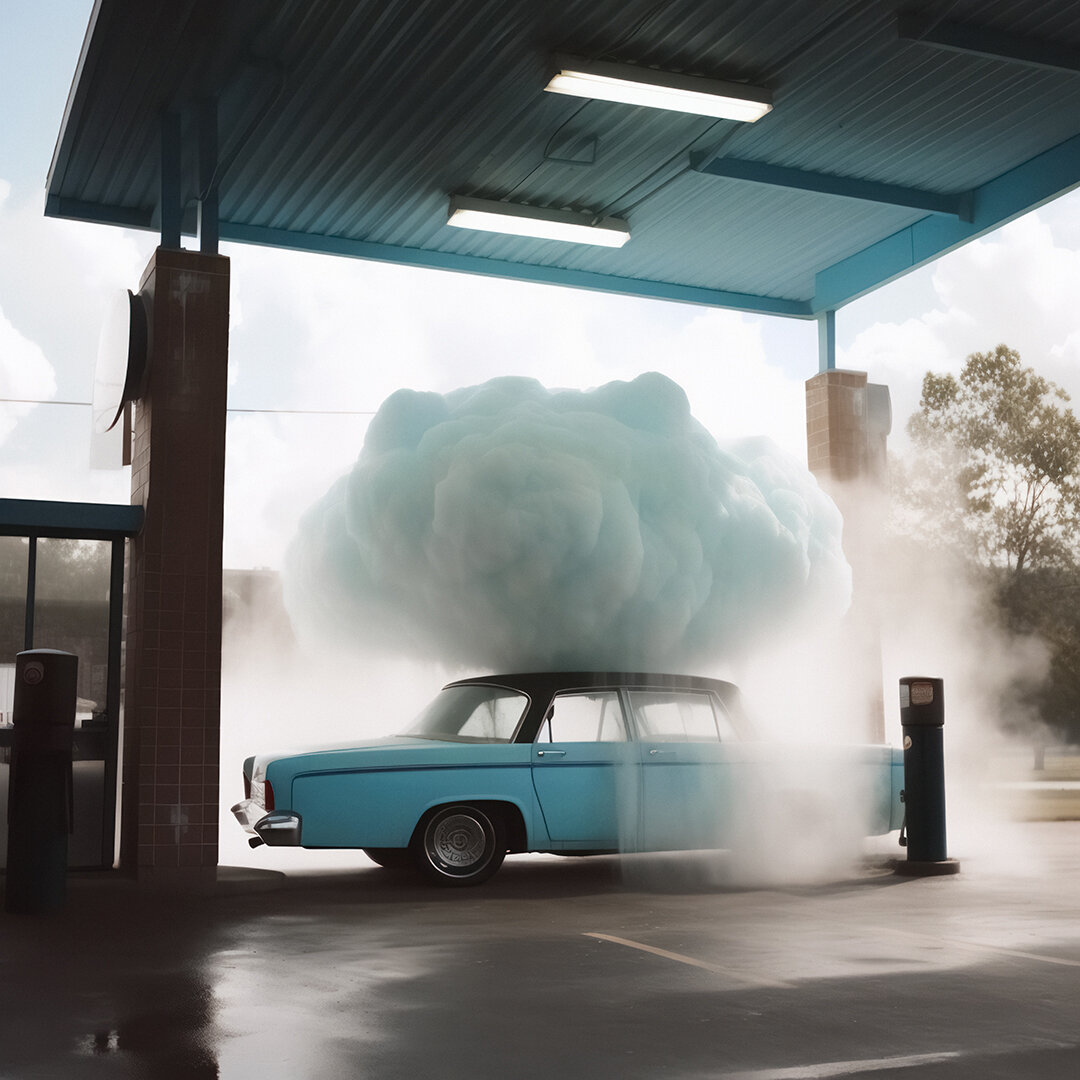
Matus Toth: I have been a photographer for 20 years, I studied in Prague, and I mainly do fashion photography. I make a living from commercial work like fashion editorials and advertising, but I have always done independent work as well. I’m interested also in documentary photography and digital art. For about a year now, I have been creating images with various AI applications. Making images with AI feels very playful. I guess the image generators have built-in adjusting screws for coincidence. It turns out that with the same prompts, the same image never appears. There are not two times the same picture. This element of surprise is fun, great fun. And working with AI can be inspiring. When thinking about a concept for a shot, my thoughts take completely different paths because I think less about technical limits. Consequently, I’ve been more and more combining AI elements with photos from my camera, which are commissioned for fashion editorials.
Gregor Hutz: Do you feel that you understand how AI works, how the machine works?
Matus Toth: Too little. To understand everything about, say, Midjourney, requires a very different level of know-how. And even people who deal with the programming are surprised themselves and admit that they don’t fully understand how machine intelligence „thinks“. Often the results make me curious, I would like to know: how are these crazy images created? But it’s not necessarily important for my actual work. AI is more a part of the production process — between idea and final retouching.
Gregor Hutz: Do you talk to computer experts, nerds and software engineers?
Matus Toth: Yes, I try to understand what’s happening technically. Because the better I understand how A.I. works, the more fun it is. So I keep up with it, even if the next new thing is announced every few weeks and it’s a highly complex system.
Gregor Hutz: Are there specific things you would like to understand technically?
Matus Toth: For me, a crucial question is: how does AI understand what I want to tell it? Especially when I write complete sentences, I can no longer follow what the AI understands — what do my words mean to the program? How can I explain myself? As humans, we spend our whole lives learning to understand what the other person is trying to say. But the computer understands us in a completely different way. Why does it understand me so well sometimes and sometimes not at all?
Gregor Hutz: Can you give an example of that?
Matus Toth: I wanted to portray a woman in the water and I wanted to put some shoes on her head. The AI then portrayed the woman in the water perfectly, but couldn’t put the shoes on her head. I tried for hours, but it didn’t work. So in the end I had to put the shoes on her head in post-production. Fortunately, Photoshop’s AI is also pretty smart now. The program is not as creative as Midjourney, but for fixing things, it’s a power tool. With Photoshop AI, I can simply adjust the format by letting the software fill in empty areas. Nevertheless, I still use classic tools such as brush or stamp. But if the technical development continues like this, soon we will only write: „Draw skin softer“ or „Make pullover fuzz-free“ — and the software will implement it.
Gregor Hutz: Please describe your production process.
Matus Toth: Most of the pictures I make start with a concept. An idea for a little story, for which I then think of an image. Like a still from a movie. I do research and look for old photographs or images that might fit. In the past, I used a pen, a camera and models. Today I also use prompts to describe my idea to MidJourney. This happens via the Discord software. The prompting is extended when I use the /blend command. I then load existing pictures into the AI and combine them with prompts. But the result is not always the most important! Sometimes AI comes up with something completely different from what I wanted. That inspires me and I forget the old concept and come up with a new story. Nevertheless, the finished picture is not „just“ what AI suggests, but the result of working with various software. Research, prompts, my own photos and detailed post-production — that’s more or less the way.
Gregor Hutz: Has working with AI changed your style as a commercial photographer?
Matus Toth: In the last 20 years I have seen a lot of technical developments in my field, and each time the style has changed. Not only mine, but the look that defined a certain time is also a consequence of the tools.
Gregor Hutz: The surreal element, the surrealistic tone from AI can be seen in your work and some of your colleagues in advertising and fashion photography. Could it be that there is a renaissance of surrealism?
Salvador Dalí: It’s about time.
Gregor Hutz: What will be the consequences for you as a photographer and for your industry? For models, make-up artists or set designers?
Matus Toth: In fashion photography, there will hopefully still be productions with humans in the near future. The models are often famous and people want to see the real person. Simple stock photography has a harder time — Midjourney can already replace that quite well. For example, a happy family in the sunset. The client doesn’t have to pay buyouts and the picture is practically just as good. At the beginning of this year, there was a lot of hype, and amazing pictures popped up everywhere. But it also shows that the creators are not all equally good. The constant work with the medium and the constant production of images is still a demanding process.
Gregor Hutz: The author Yuval Noah Harari has warned of a tsunami that awaits us. If artificial intelligence will soon be much more intelligent than humans, will humans go extinct?
Matus Toth: For me, AI is first of all a tool, just like my camera. Of course, any tool can be misused. And it’s already being misused — for example, with emotionalized spam. Or calls are made where the person no longer recognizes that he is talking to an AI. Deep fake is dangerous. And the speed at which technology is advancing is impressive.
Gregor Hutz: What do you think about the EU’s AI Act, which calls for regulations on the use of AI?
Matus Toth: I like technology, but I think there should be rules for AI. The question, of course, is whether the politicians who should be taking care of it are doing the right thing — and doing it fast enough. I’m afraid the legal regulations are not coming behind, it’s like with the other digital technologies. Politics can’t keep up.
Gregor Hutz: What are your hopes when you think about the future of machine intelligence?
Matus Toth: Maybe when we are old, there will be robots that wash our hair and cook our food. And I think it’s good when no one has to do monotonous, senseless work anymore. Also for medicine it has great potential. It’s ambivalent. Imagine if an AI could answer your questions better than I could do myself. And maybe an AI could also interview me better than you can? In that case, it would be reasonable if the two AI’s would just write this interview directly with each other. But what do we do then?
Machine intelligence is a transformative technology and will have far-reaching implications for all areas of life. What these implications are is not yet decided. We must address policy and decision-makers. For example, on the question of „post copyright“ rules. If the AIs are trained with our images and data, then we should participate financially. Who is allowed to make money with images and texts if the machines have not respected copyright when learning? Or should the machines themselves be recognised as creators? In any case, there have to be democratically legitimised rules for dealing with big data sets. Companies like Spawning (spawning.ai) help with a disclaimer that prohibits the crawlers from using the content for deep learning. It is much more a social than a technical issue.
Artists approach their topics playfully and do not think with efficiency in mind. This view is important and perhaps art can decisively complement one of the greatest developments of our time. As in the Renaissance, when science and art were closely linked and this union triggered significant changes — right up to the Enlightenment of the 18th century. That is why Matus Toth’s exhibition is meant to be an incentive for further image series and interviews. More to come!