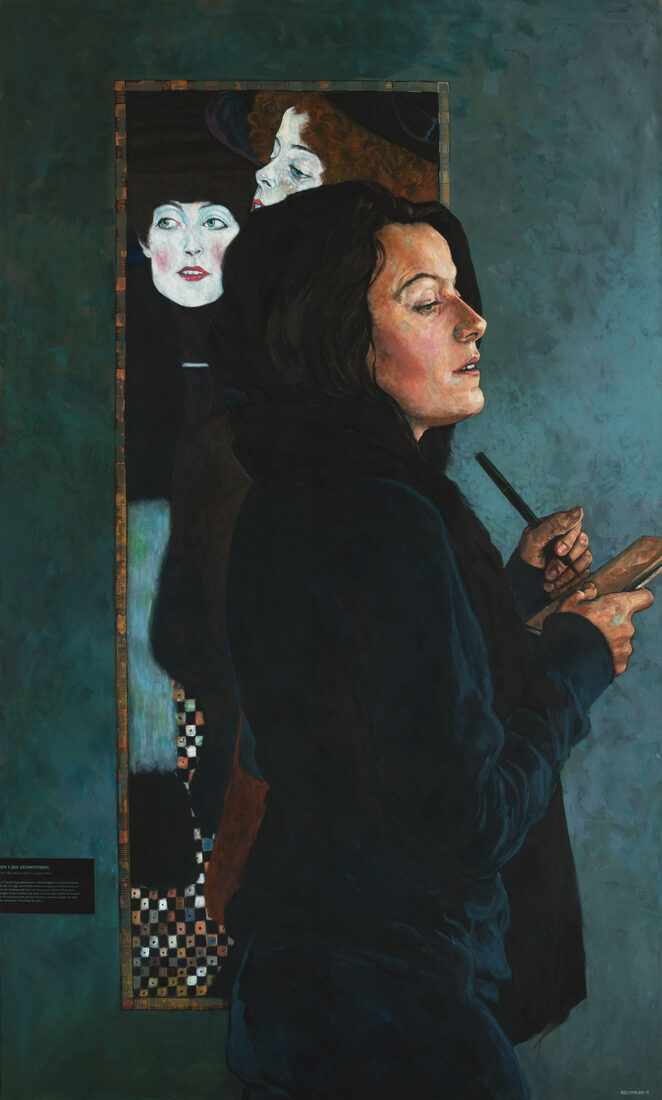
A selection of personal portraits, a look back in time, his family history and the artistic legacy of his father Lothar Rechtacek (1943–2013).
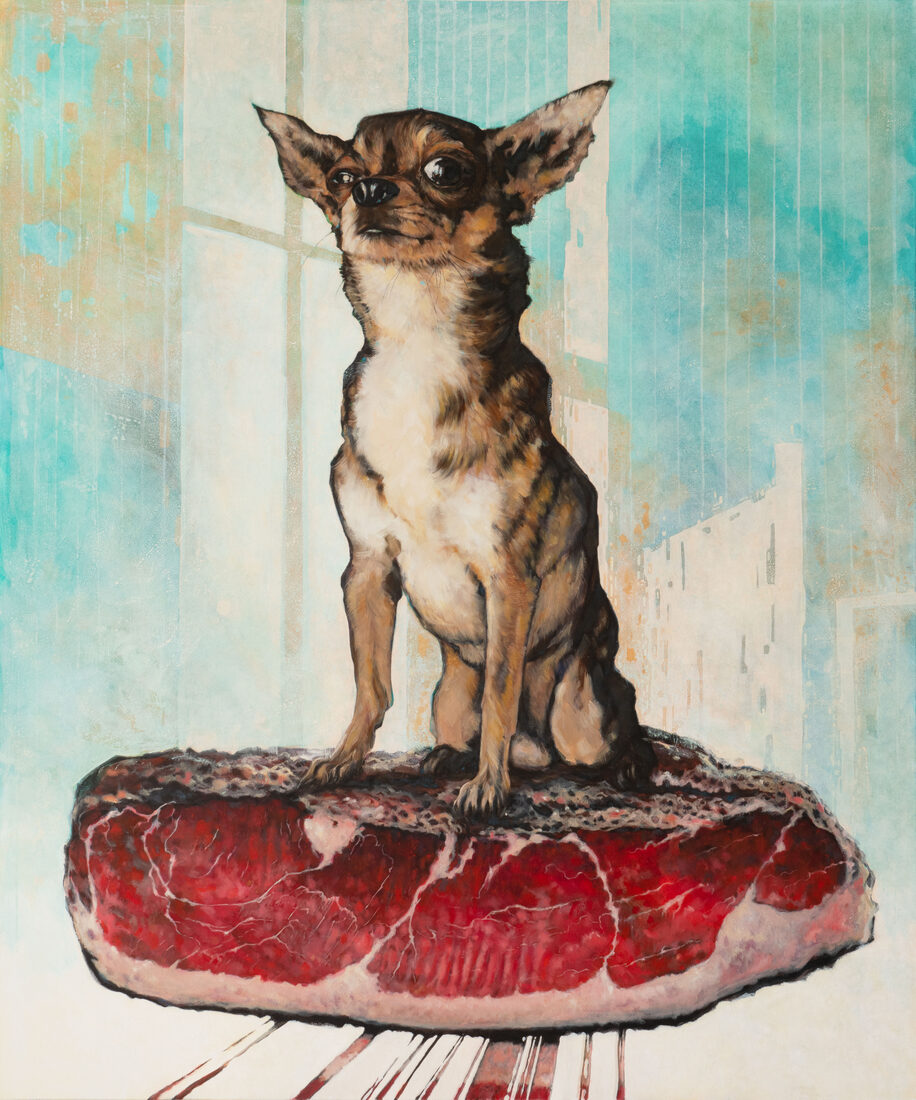
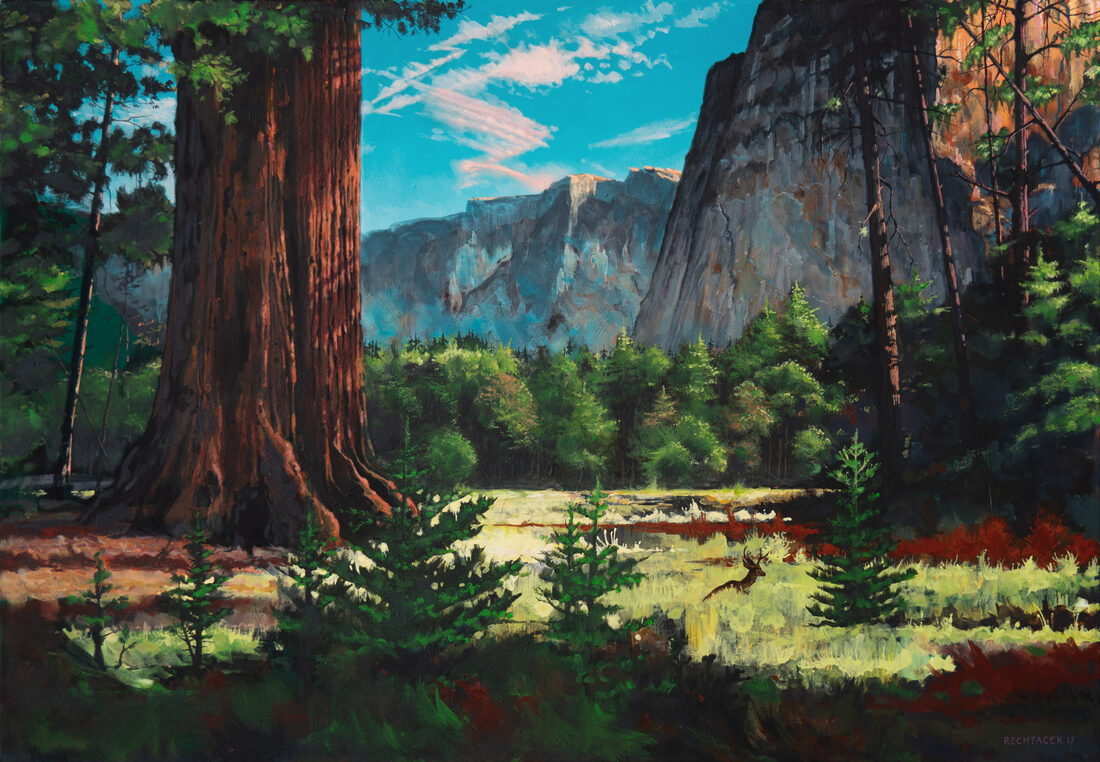
In his exhibition „Schinken“, artist Wulf Rechtacek presents a collection of his own paintings alongside prints by his father who worked and lived in the GDR (German Democratic Republic).
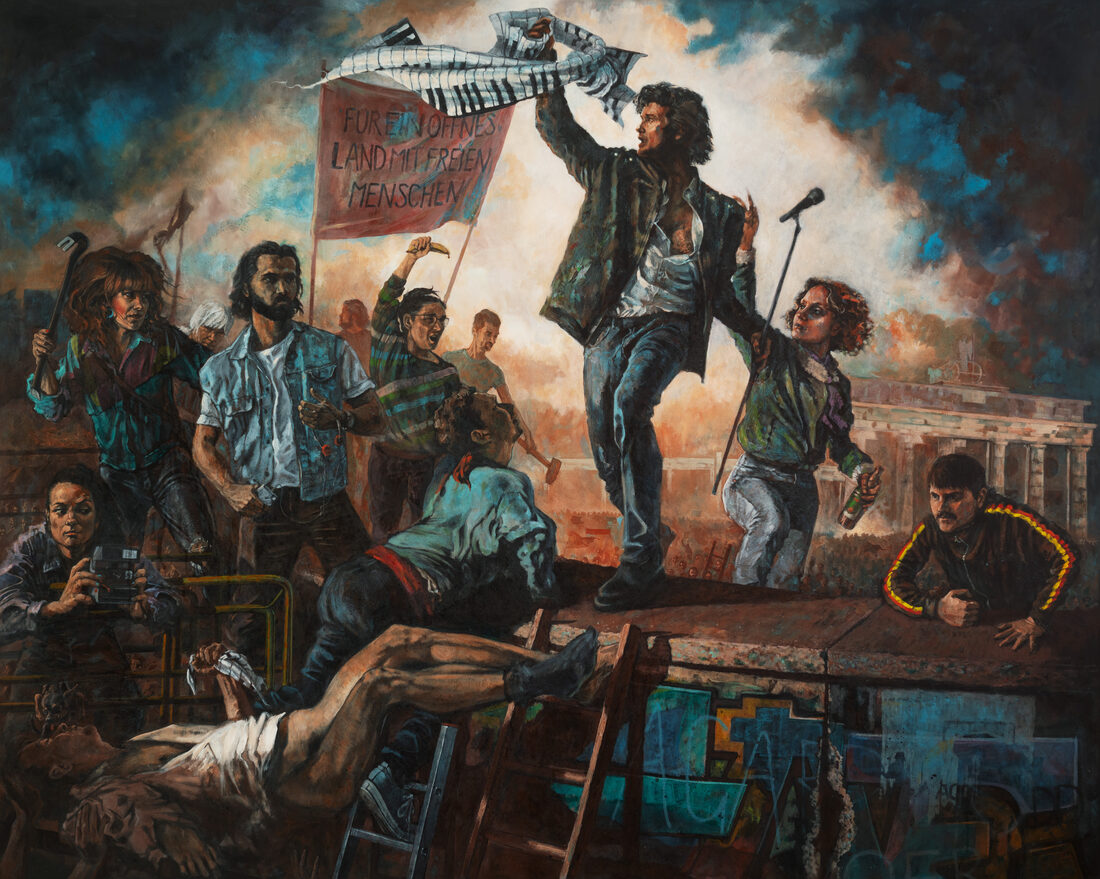
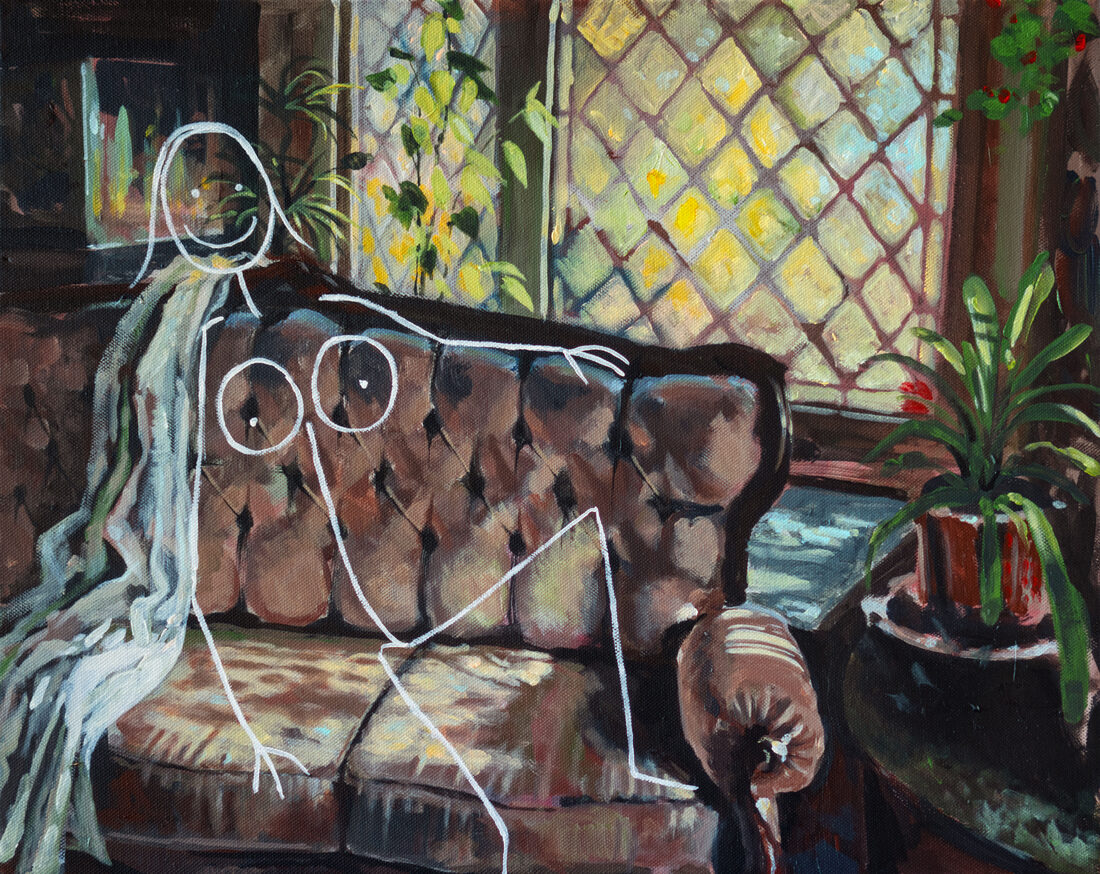
Wulf Rechtacek’s large-format artworks, presented for the first time in this exhibition, combine technical skill with humour and playfulness. The decision to paint in a naturalistic style requires the willingness to have one’s art judged according to objective criteria. Furthermore, the choice of ‘GDR’ as a subject is not only personal but also political – at a time when we still need bridges from East to West.
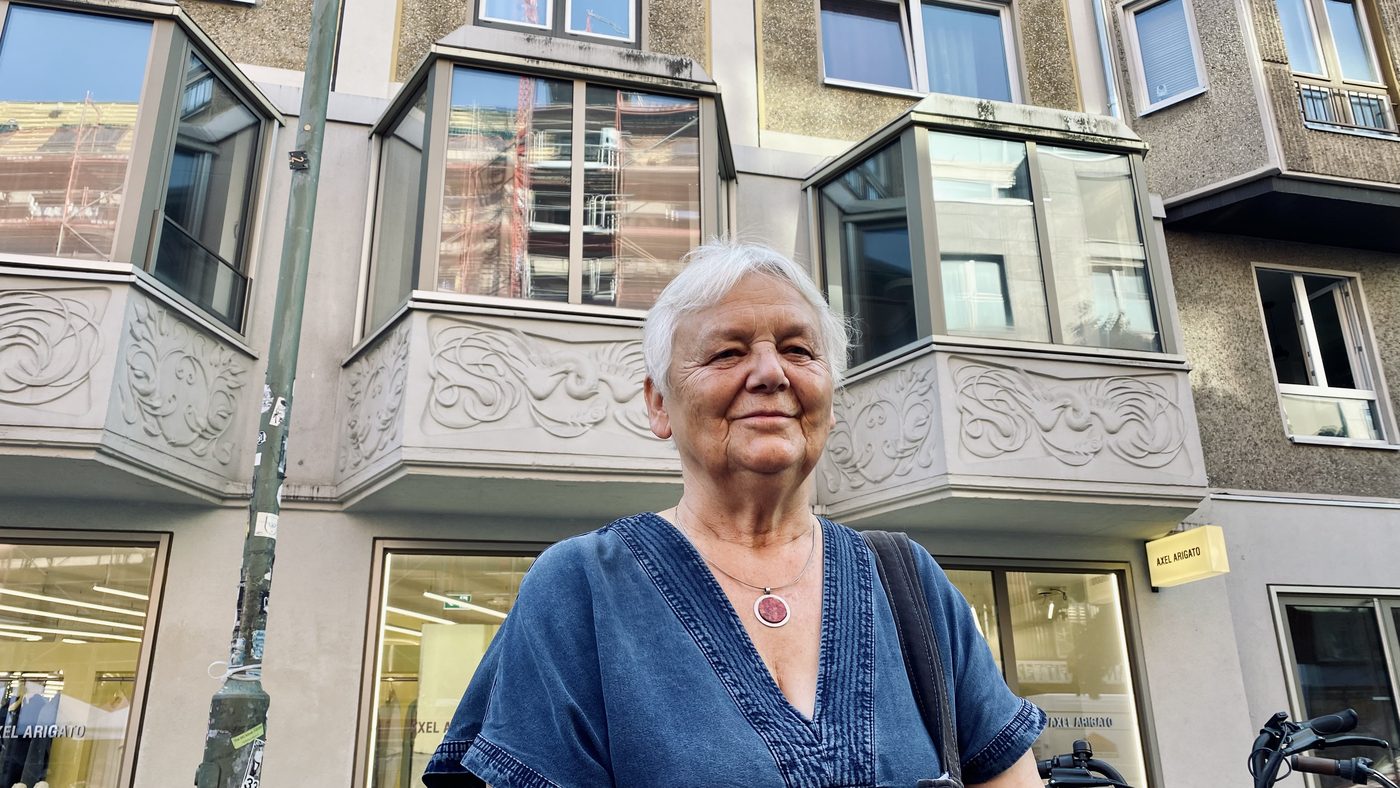
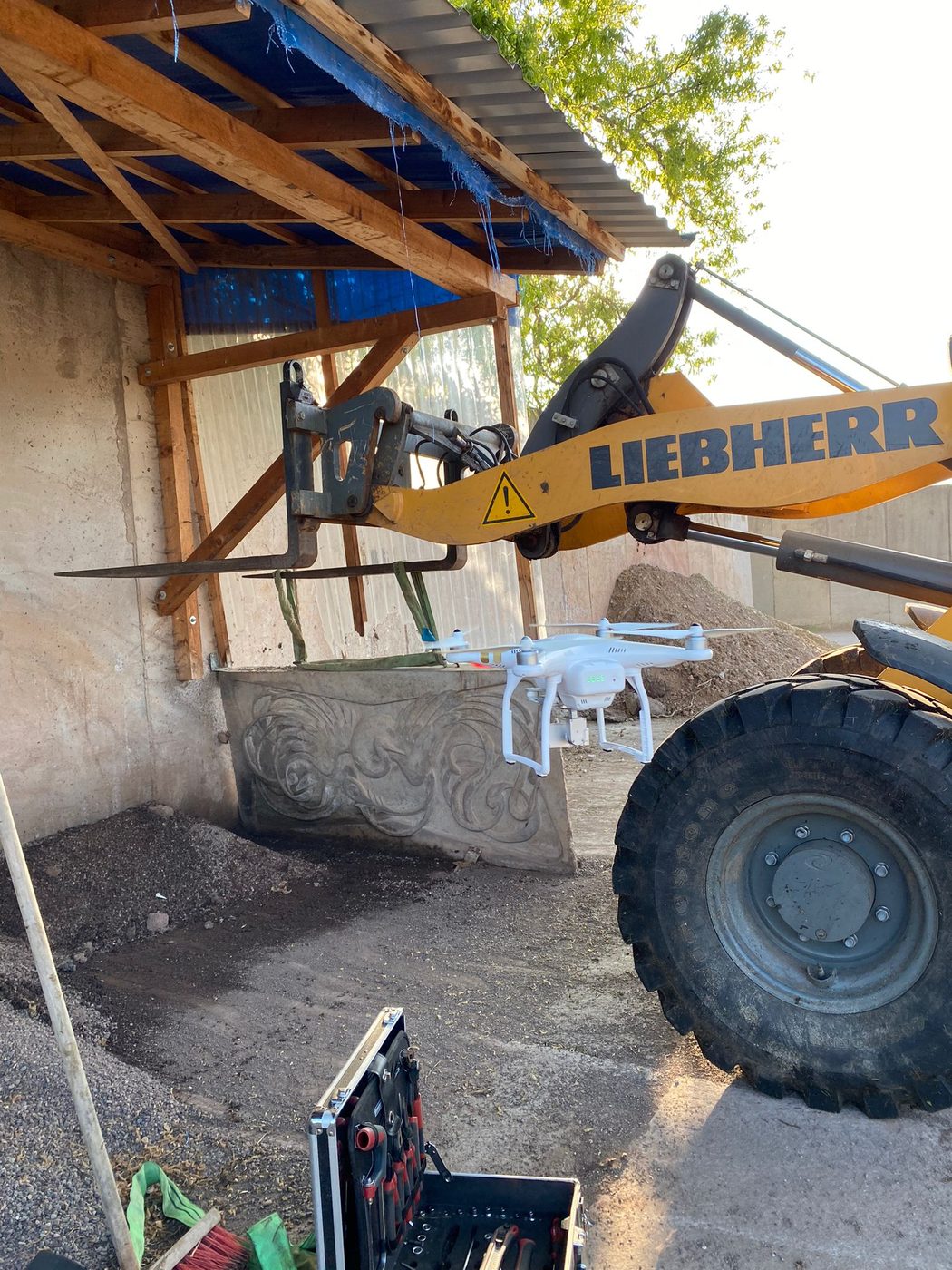
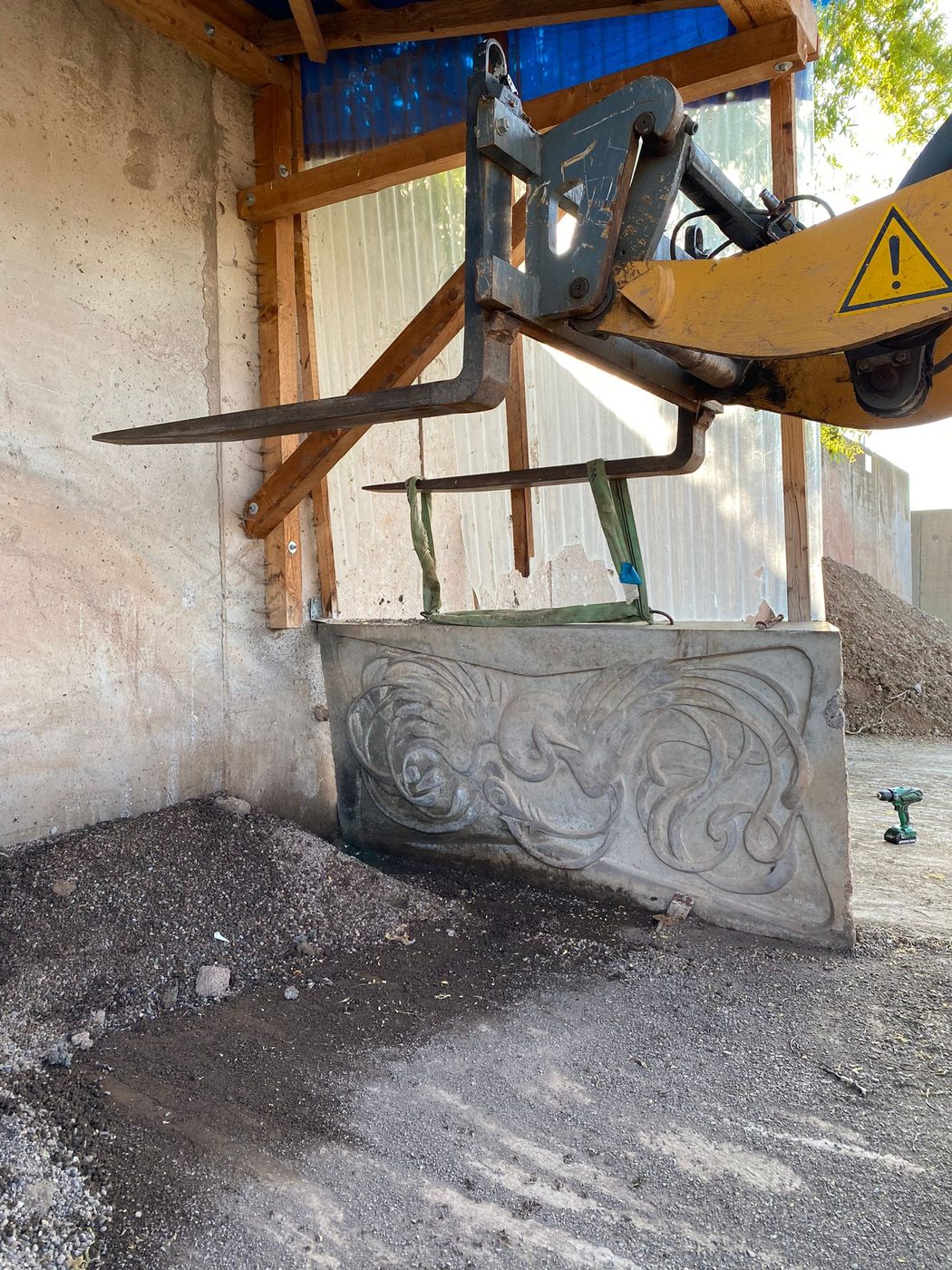
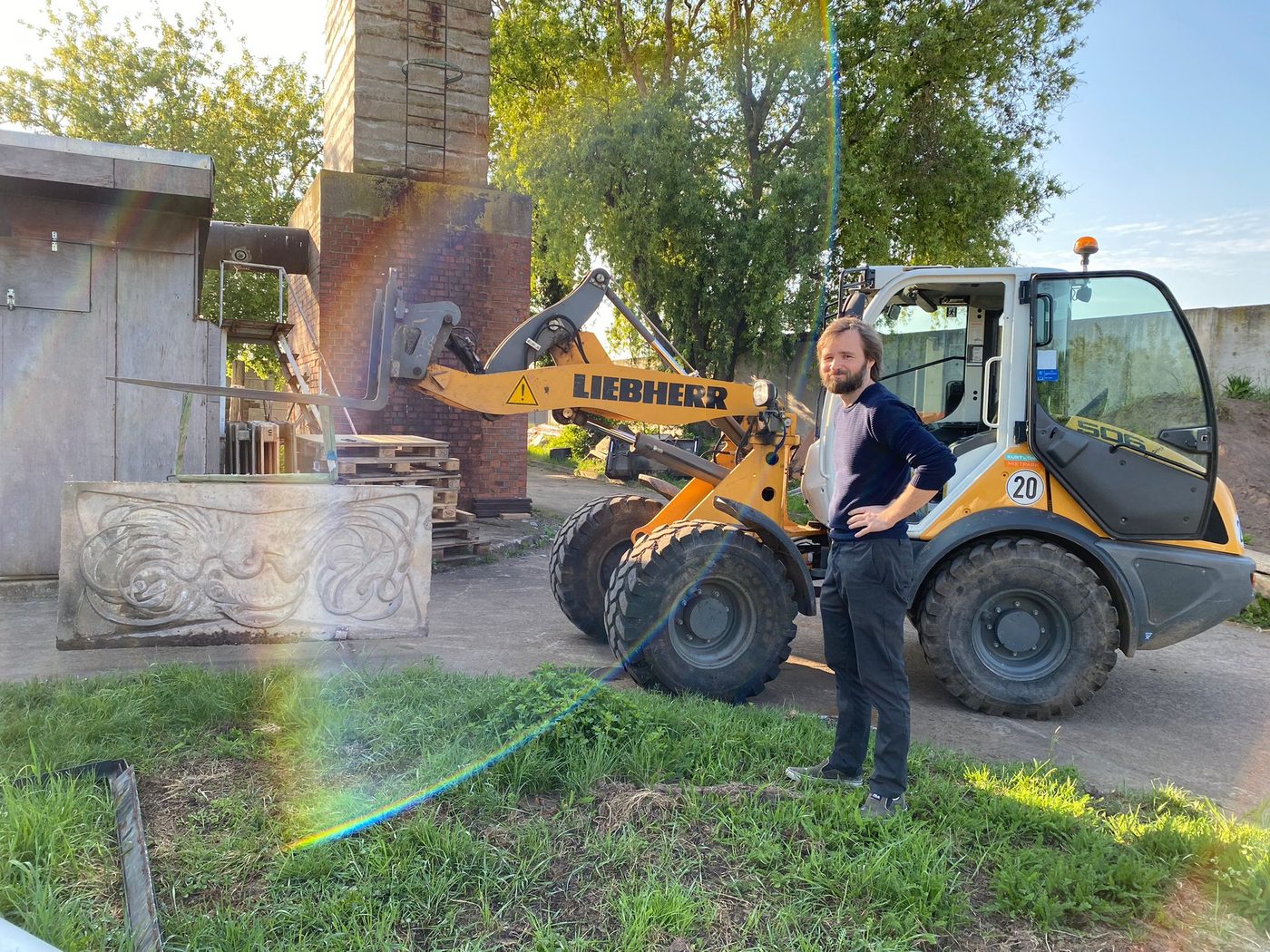
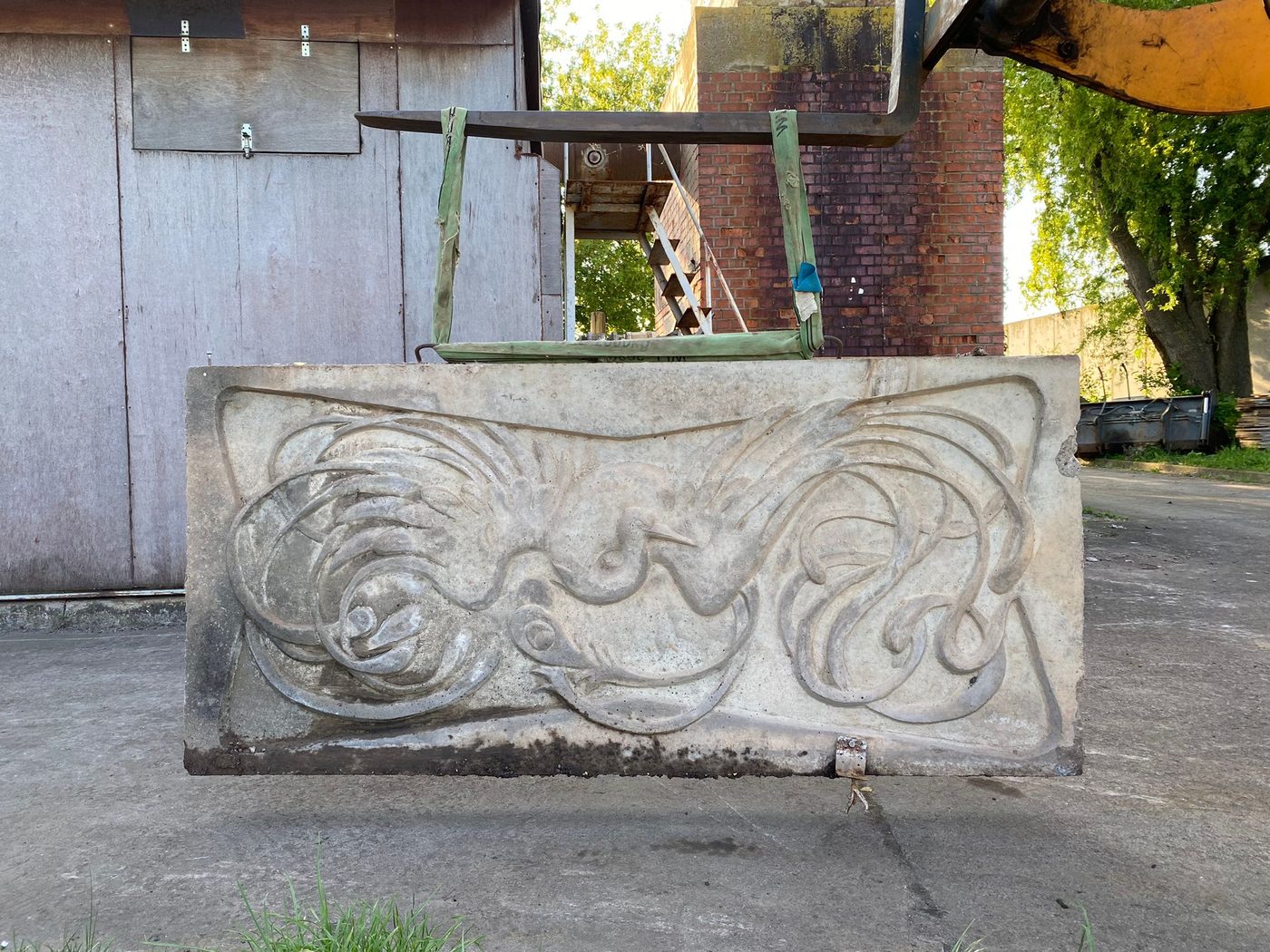
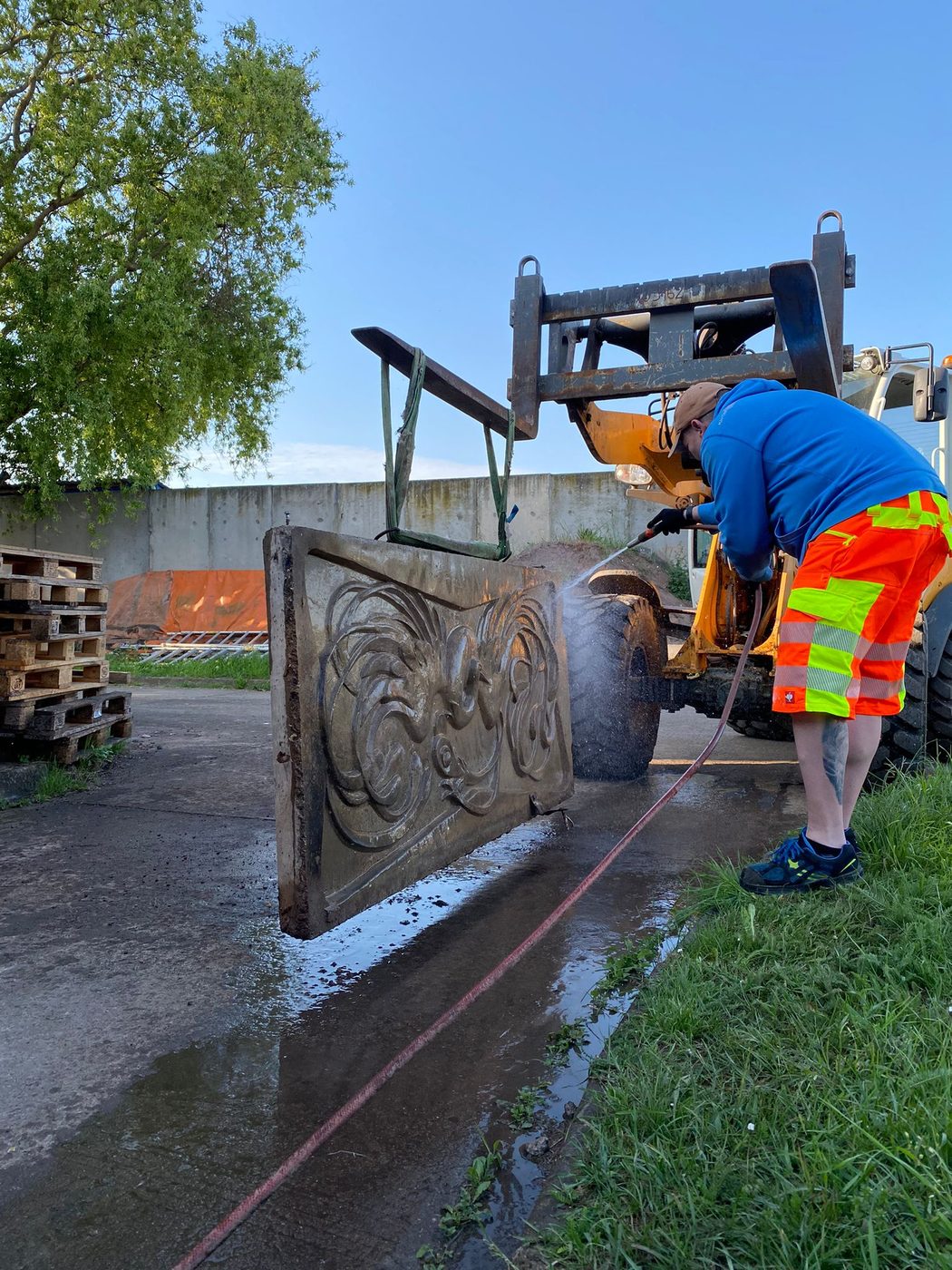
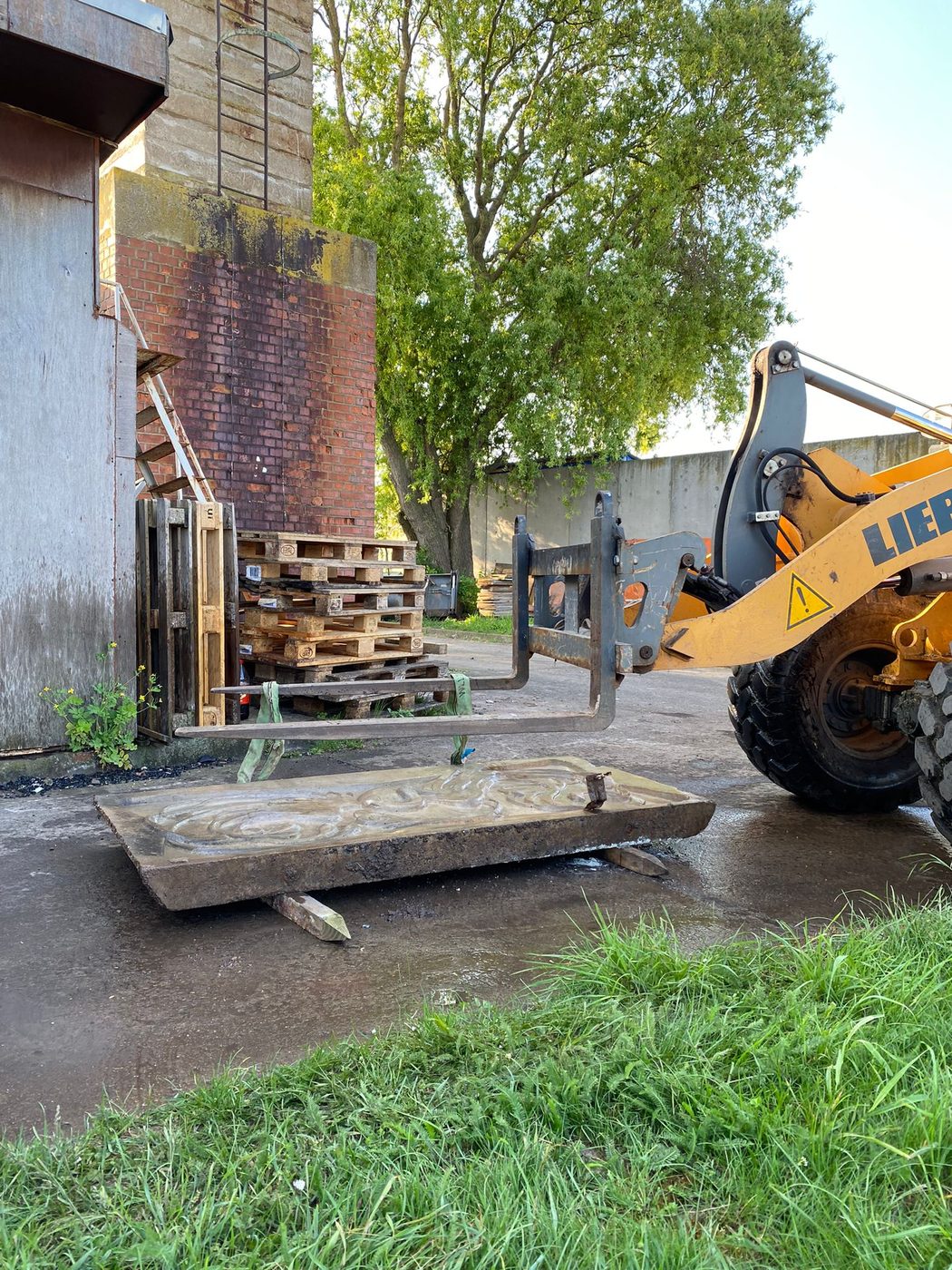
The exhibition also features a reproduction of a large relief created by Lothar Rechtacek in the 1980s for the newly constructed buildings on Weinmeisterstrasse.
This relief is a tribute to GDR design and reflects the unique architectural character of the street and the surrounding neighborhood. The so-called „Scheunenviertel“ was one of the last areas in East Berlin to be redeveloped after the war and it was only in the 1980s that the area was modernized with the construction of new prefabricated buildings, which included decorative elements designed by Lothar Rechtacek.
These elements are not only valuable from a historical perspective, as they represent the vision of the urban planners of the time, but they contribute to the aesthetic flair that defines Berlin Mitte. They tell the story of the city’s transformation – from the capital of a communist state, still bearing the scars of war, to a vibrant centre of cultural innovation and a visual-aesthetic testing ground.
By showcasing Lothar Rechtacek’s relief and celebrating the work of an important GDR artist, this exhibition highlights the collaboration between father and son and underlines the importance of preserving GDR heritage for future generations.
Gregor Hutz