
Black Market
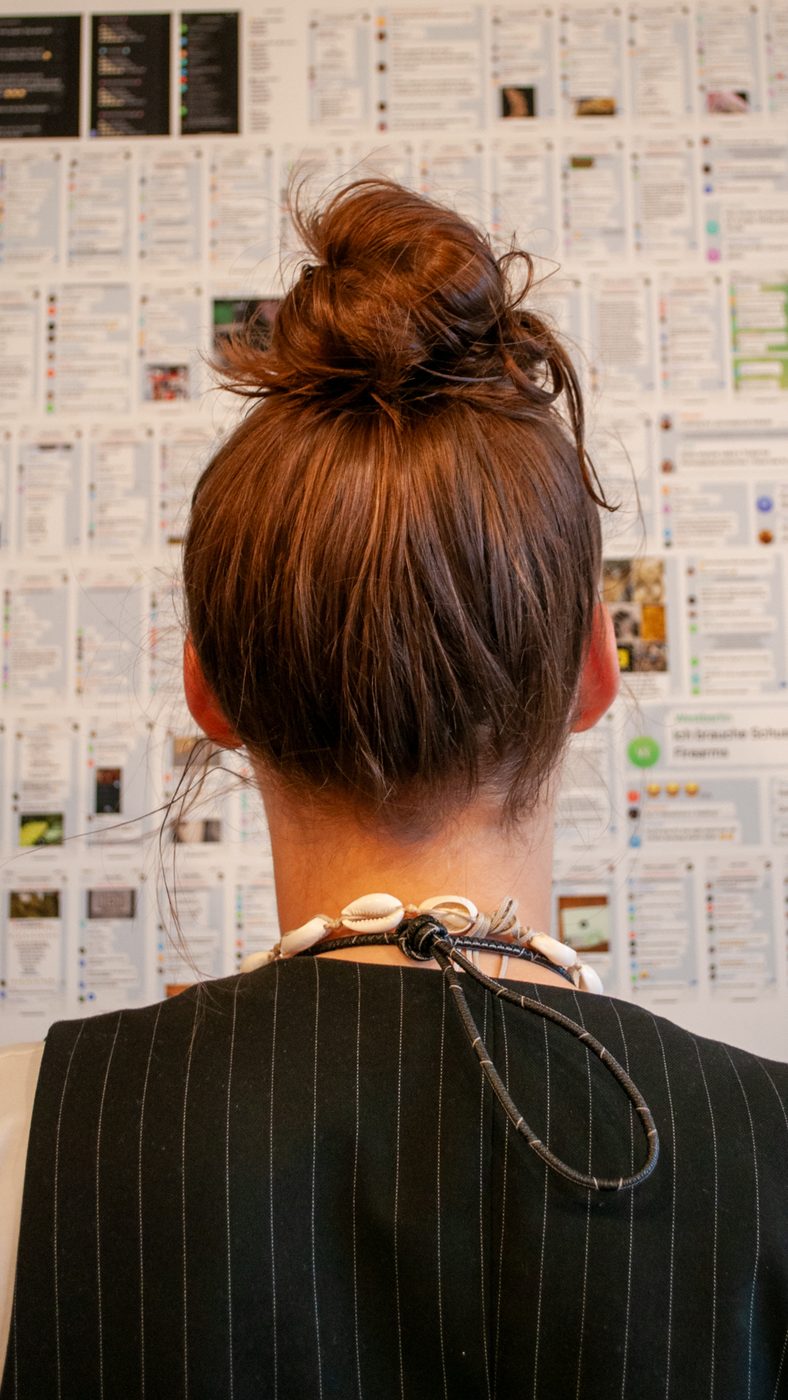
One day in 2019, I installed Telegram on my smartphone and logged in. I closed the program and when I opened it again a few months later, I noticed that I had been added to dozens of Drug Groups in the meantime. A feature of the app that I obviously hadn’t opted out of. I had found a keyhole into a supposedly lawless space. A supply and demand feed in the dark web. In real time, I followed conversations that usually take place in the toilets of a club or in dark corners of a park. All kinds of drugs were being traded, sexual services, bounties, weapons, counterfeit money. With the lockdowns of the Corona months, alcohol was added as a commodity, as were cigarettes and private parties. But also illegal hairdressers offered their services, or tattoo artists who wanted to ink strangers despite contact bans. And of course people were now looking for — and finding — vaccination passes and recovery cards.
But it wasn’t just the wild and chaotic atmosphere that fascinated me. I was just as surprised by the incredible naivety and the belief that you can communicate anonymously with a smartphone.